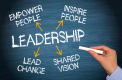
Whether delivered online or in-person, our instructor-led live Soft Skills training—also referred to as people, interpersonal, social, or transferable skills—guides you through discussions and practical exercises to master human dynamics within a business context. You will learn to apply these techniques, habits, and mindsets to strengthen relationships and boost business performance, ultimately creating a more rewarding experience in both your professional and personal life.
Soft Skills training is offered as either "online live training" or "onsite live training". Onsite sessions can be hosted locally at your customer premises in Durban or at NobleProg’s corporate training centres in Durban.
NobleProg -- Your Local Training Provider
Garden Court South Beach
Durban, South Africa
Way to get there
From Durban city centre: follow the beachfront/Marine Parade south toward South Beach.
By car/taxi: give the driver the address 73 O.R. Tambo Parade, South Beach, Durban 4001.
From King Shaka International Airport: the hotel is roughly 30 km ;from the airport.
This live, instructor-led course on Durban, offered online or in-person, targets entry-level office managers looking to develop proficiency in filing methods and records administration.
By the conclusion of this program, participants will be able to:
Understand the foundational principles of efficient filing systems.
Acquire skills for managing and controlling both physical and digital records.
Develop capabilities in creating, maintaining, and archiving documents.
Apply best practices in records administration to boost organizational efficiency.
This instructor-led, live training in Durban (online or on-site) is designed for beginner-level professionals who wish to explore foundational ethical theories, develop ethical decision-making skills, and understand the role of protocol in maintaining integrity and professionalism.
By the end of this training, participants will be able to:
Comprehend foundational ethical theories and principles.
Develop skills for ethical decision-making.
Recognise the significance of protocol in professional settings.
Learn to navigate ethical dilemmas and conflicts of interest.
Understand the role of ethics and protocol in different industries.
This instructor-led, live training in Durban (online or onsite) is aimed at participants at all levels, including employees, team leaders, and HR professionals, who wish to understand workplace harassment, prevent it, and foster an inclusive and respectful workplace culture.
By the end of this training, participants will be able to:
Understand what constitutes workplace harassment and its various forms.
Identify behaviours that contribute to a respectful workplace.
Respond effectively to harassment incidents.
Recognise the legal and organisational policies surrounding harassment prevention.
Promote a positive, inclusive, and respectful workplace culture.
This instructor-led, live training in Durban (online or onsite) is designed for hospitality professionals at beginner to intermediate levels who aim to elevate their service capabilities.
Upon completion of this training, participants will be able to:
Acquire knowledge and practical skills in formal etiquette, with a focus on hosting, dining, and service.
Comprehend serving protocols and the principles underpinning them, empowering staff to implement these guidelines effectively.
Enhance customer service standards while bolstering communication and interpersonal abilities for superior guest interactions.
Recognise diverse cultural etiquettes and sensitivities, ensuring respectful and appropriate service for all guests.
Manage unexpected scenarios and guest requests with professionalism and efficiency.
This instructor-led, live training in Durban (online or onsite) is aimed at beginner-level team leaders and managers who wish to understand and leverage personality types to build stronger team cohesion, enhance communication, and manage team dynamics effectively.
By the end of this training, participants will be able to:
Strengthen team cohesion through understanding and leveraging different personality types.
Manage diverse personalities effectively.
Enhance team communication and conflict management.
This instructor-led, live training in Durban (online or onsite) is designed for beginner to intermediate-level professionals and managers who wish to enhance their critical thinking, decision-making, and problem-solving capabilities in both personal and professional contexts.
By the end of this training, participants will be able to:
Identify biases and logical fallacies in reasoning.
Apply critical thinking techniques to real-world scenarios.
Improve decision-making processes through structured analysis.
Enhance problem-solving strategies for complex situations.
This instructor-led live training in Durban (online or onsite) is aimed at team leaders and members who wish to use PRISM Brain Mapping to discover the strengths, needs, and motivators of team members and learn how to manage diversity more effectively.
By the end of this training, participants will be able to:
Obtain a strengthened understanding among team members through better knowledge of their behavior preferences and communication, strengths, needs, and work motivators.
Discovery of team strengths and how to utilize them to increase efficiency in achieving goals.
Find solutions to cooperation challenges, enabling the team to work more effectively.
Increase job satisfaction for team members through analysis of how each can better utilize their strengths, and potential, and minimize stress factors at work.
Have more effective diversity management in the team and better task alignment to people through discovering team members' strengths, preferences, and motivators and discussing individual employee reports.
Have a better understanding of the management style of the leader through discovering their leadership profile and its impact on the team.
This instructor-led, live workshop in Durban (online or onsite) is designed for business professionals seeking to integrate mindfulness into their work environment to boost productivity, leadership, and well-being.
Upon completion of this training, participants will be equipped to:
Grasp the science and core principles underpinning mindfulness.
Cultivate self-awareness to strengthen decision-making and leadership acumen.
Enhance concentration, productivity, and emotional intelligence.
Effectively manage workplace stress, uncertainty, and high-pressure scenarios.
Champion a positive and collaborative organisational culture.
Utilise mindfulness techniques to foster creativity and improve problem-solving.
This instructor-led, live training in Durban (online or onsite) is tailored for beginner-level HR professionals and team leaders who wish to develop effective reskilling and upskilling strategies to prepare their workforce for the evolving demands of the technology sector.
By the end of this training, participants will be able to:
Utilise tools and strategies to identify skills gaps and design impactful reskilling and upskilling initiatives.
Foster a culture of continuous learning to adapt to the rapid changes in the technology sector.
Implement effective measurement and feedback mechanisms to ensure ongoing program alignment and success.
This instructor-led, live training in Durban (online or onsite) targets intermediate to advanced commercial management professionals aiming to refine their interpersonal and decision-making abilities for superior business results.
Upon completion of this training, participants will be able to:
Enhance customer interactions through anticipation, assertive communication, and market knowledge.
Strengthen teamwork, adaptability, and problem-solving skills.
Develop effective decision-making, disciplined execution, and delegation techniques.
Improve negotiation, innovation, and change management skills.
This live training in Durban provides beginners with evidence-based tools to manage stress and cultivate resilience. Through reflective practices and hands-on exercises, participants learn to enhance adaptability, navigate personal challenges, and maintain an open stance toward feedback to optimise performance.
This interactive course on Durban supports the enhancement of assertiveness skills via individual and group discussions. Learners will acquire the skills to overcome barriers, effectively manage challenging situations, and communicate with assurance to foster win-win outcomes with colleagues.
Strengthen professional relationships in Durban through this interactive course. Participants will master assertiveness, active listening, and conflict management techniques. You will learn to build effective team communication and apply constructive feedback strategies to drive business success.
Elevate your conflict resolution capabilities through this practical training in Durban. Develop strategies to manage emotions, apply assertiveness, and leverage negotiation techniques to transform disputes into opportunities. Build practical skills for effective communication and stress management within team settings.
Crafted for emerging leaders and managers, this course in Durban focuses on elevating team management efficiency and decision-making proficiency. Learners will discover how to adapt their leadership styles, navigate conflicts effectively, and master critical techniques in communication, motivation, and time management.
Our corporate AI hackathon empowers cross-functional teams from various departments and IT to apply AI to their specific operational challenges, resulting in tangible, workable solutions. This structured programme integrates two preliminary discovery sessions for tool onboarding, a focused 24-hour sprint, and a final presentation to senior leadership. Participants conclude the event with a functional prototype and a concrete plan for implementation in the week following the event.
This live, instructor-led training in Durban is specifically designed for mixed teams from business units and IT who wish to leverage AI to address their own challenges and leave with actionable solutions.
Upon completion of this training, participants will be equipped to:
Translate departmental problems and bottlenecks into actionable, solvable challenges
Gain familiarity with eight to ten key AI tools and identify the most appropriate one for specific tasks
Collaborate in small teams to develop a working solution
Assess solutions based on their potential benefits and feasibility
Effectively present results through a professional pitch
Develop a strategic plan for implementation in the subsequent week
Course Structure
Duration: 2 days onsite (incorporating a 24-hour sprint) supported by two preliminary discovery sessions
Interactive learning facilitated by a trainer, featuring discussions and hands-on exercises focused on participants’ specific use cases
Prior Outcomes: Challenges, tool selection, and success criteria are established.
Day 1 Outcomes: Each team refines their challenge and develops an initial working prototype.
Day 2 Outcomes: Each team finalizes a working solution, delivers a pitch, and formulates an implementation plan for the following week.
Customisation Options
To request a tailored training experience for this course, please contact us to arrange specific requirements.
This instructor-led, live training (online or onsite) is tailored for team leaders and middle managers who wish to adopt AI safely and effectively by addressing the human dynamics that drive success: trust, accountability, decision habits, and psychological safety.
Upon completion of this training, participants will be able to:
Define when to use AI and when to stop (stop rules).
Verify AI outputs using practical standards (identifying red flags and utilising secondary sources).
Establish accountability measures and escalation triggers.
Develop team agreements and a 30-day adoption plan.
This practical workshop is specifically designed around the workflow of a single team and leverages the AI tool already approved by the company. It covers prompting strategies, persistent configurations like projects and assistants, file handling, and safe usage practices. Participants will conclude the session with a shared library of prompts and solutions to tasks drawn from their own daily operations.
This instructor-led, live training in Durban is suited for teams in case management, specialised departments, research, or IT support who have initial experience with AI and are seeking to enhance the quality of their task outputs.
Upon completion of this training, participants will be able to:
Comprehend the internal processes of the model during prompting and understand why models may generate fabricated details
Craft instructions that define role, task, context, examples, format, and constraints
Deconstruct complex tasks and refine outcomes in a targeted manner
Leverage instructions, memory, projects, and custom assistants for sustained, long-term use
Process files, scans, tables, and research assignments effectively
Validate results, recalculate figures, and ensure data protection
Establish and reuse secure templates for the group
Course Structure
Duration: One full day (7 hours) or two 4-hour sessions per group, delivered online or on-site, accommodating up to 15 participants
Interactive learning with a trainer, including discussions and hands-on exercises focused on the participants' specific use cases
Block 1 Outcome: Each participant will possess at least one verified template applicable to their own work
Block 2 Outcome: Each group will have a shared prompt collection, a collaborative project, and two resolved tasks from real daily operations
Course Customisation Options
To request a tailored training experience for this course, please contact us to make arrangements.
This two-day workshop is designed to equip technical and administrative professionals with robust analytical and creative thinking competencies. Generally, participants will refine their left-brain and right-brain thinking skills, learning how to apply them effectively in various work-related scenarios. Participants will become familiar with numerous proven techniques and tools that can be utilised to analyse, correlate, justify, and draw conclusions from information.
Browser agents have the capability to browse web pages, evaluate vendors and complete forms autonomously on a user’s behalf. This one-day course examines ChatGPT Agent and Atlas, Claude in Chrome and Perplexity Comet, focusing on appropriate use cases and potential risks, including the threat of hidden instructions embedded within web content. During the session, participants will delegate two distinct tasks, validate the outcomes and establish internal guidelines for team adoption.
This instructor-led, live training in Durban is designed for: Specialist users, assistants and researchers seeking to offload repetitive web page and web application tasks to AI agents.
Upon completion of this training, participants will be able to:
Comprehend the mechanics of how browser agents parse pages, interact via clicks and populate forms
Distinguish between ChatGPT Agent and Atlas, Claude in Chrome and Perplexity Comet
Identify suitable applications such as research, vendor comparisons and form processing
Craft instructions that clearly define goals, boundaries and required approval checkpoints
Identify and mitigate risks, particularly those arising from hidden instructions on web pages
Establish standard operating procedures for team-wide use
Course Format
Duration: 1 day (7 hours)
Interactive sessions led by a trainer, featuring discussions and hands-on exercises tailored to participants' specific use cases
Outcome, Day 1: Each participant will have successfully delegated two tasks to a browser agent, verified the results and drafted team usage rules.
Customisation Options
For those wishing to tailor this training to their specific needs, please contact us to discuss arrangements.
This course provides a thorough and hands-on introduction to burnout, a critical challenge facing contemporary workplaces. Attendees will delve into the distinctions between stress and burnout, pinpoint individual and professional risk factors, and acquire the skills to detect early indicators of fatigue in themselves and their colleagues.
Through facilitated reflection, self-evaluation instruments, and collaborative discussions, the programme fosters self-awareness, resilience, and personal coping mechanisms. It also underscores the pivotal role of organisations and leaders in cultivating a supportive atmosphere that mitigates burnout and enhances psychological wellbeing.
The session integrates theoretical knowledge, self-diagnosis, and practical exercises to guarantee that every participant departs with a concrete action plan for sustaining balance and vitality in their professional life.
A Customer Care Course is designed to educate participants on the fundamentals of providing exceptional service and care to customers. It focuses on treating customers with respect and kindness, building an emotional connection, and ensuring their satisfaction and loyalty. These courses cover a range of topics, including communication skills, time management, de-escalation techniques, and industry best practices. Through real-life examples and practical exercises, learners gain insights into effectively handling customer inquiries, complaints, and feedback. The aim is to equip individuals with the necessary skills to deliver professional, helpful, and high-quality service across various customer interaction points, enhancing the overall customer experience.
This interactive training in Durban empowers team members to refine their communication skills, emotional intelligence, and stakeholder management capabilities. Participants will learn to control their own behaviour, comprehend others' perspectives, and effectively influence key stakeholders within a dynamic business environment.
This interactive course in Durban equips managers and team leaders with essential skills in communication and influence. Participants will learn to navigate stakeholder relationships, address complex workplace scenarios, and enhance their leadership capabilities by distinguishing between leadership and management styles, while effectively managing change.
Master effective conflict resolution in this instructor-led training held in Durban. Designed for executives and leaders, this interactive course provides you with practical, ready-to-implement tools to resolve disputes while preserving valuable long-term professional relationships.
Managing projects in Microsoft 365 often involves navigating between Teams, Planner, Lists, and SharePoint, where a significant portion of the effort is consumed by status updates and follow-ups. This one-day course demonstrates how Copilot and agents can streamline status reporting, meetings, task management, and risk identification. During the session, participants will develop a project knowledge agent and create a mock-up to address a specific project challenge.
This live, instructor-led training in Durban is designed for: Project managers, PMO staff, team assistants, and project members who operate within the Microsoft 365 ecosystem using Teams, Planner, Lists, and SharePoint.
Upon completing this training, participants will be equipped to:
Identify and classify the various agents available in Microsoft 365 for project management tasks.
Generate status reports from emails, meetings, and lists using Copilot.
Leverage agents within Teams and Planner to enhance meeting coordination and task tracking.
Construct a project knowledge agent utilizing documents, lessons learned, and contact information.
Detect and visualize risks and potential delays at an earlier stage.
Develop and present a mock-up solution for a real-world project issue.
Course Structure
Duration: One day (7 hours)
Interactive sessions led by a trainer, featuring discussions and hands-on exercises tailored to participants' specific use cases.
Day 1 Outcomes: Each participant will possess a generated status report, a tested project knowledge agent, and a presented mock-up solution for a real project problem.
Customization Options
To request a customized version of this training, please contact us to discuss arrangements.
Critical Thinking in the Workplace is a practical, interactive programme designed to help professionals analyse information more effectively, challenge assumptions, identify the real causes of problems and make better decisions.
Participants learn a structured approach to critical thinking that can be applied to everyday workplace challenges, from analysing complex problems and evaluating evidence to generating alternative solutions and making well-reasoned decisions.
The programme combines analytical thinking, problem solving, creative thinking and decision making. Throughout the course, participants work with practical exercises, discussions and case studies relevant to their roles and industry. Wherever possible, the training can incorporate the client's own business challenges and real workplace scenarios.
The 5-day DesignThinkers Global Bootcamp provides a unique opportunity to learn from internationally recognized and highly experienced Service Design & Design Thinking practitioners. Under the guidance of our seasoned facilitators, familiarize yourself with the divergent/convergent model of the Double Diamond, and solidify your new Design Thinking mindset by practicing on a real-life project.
This instructor-led, live training in Durban (available online or in-person) is designed for teams looking to assess, manage, and evaluate both individual and collective emotional intelligence.
By the end of this training, participants will be able to:
Measure individual EQ to optimise interactions with colleagues.
Interpret others' emotions and behavioural styles to strengthen team relationships.
Leverage emotional intelligence to foster a positive, productive work environment.
Apply emotional intelligence strategies to effectively navigate change and resolve conflict.
This instructor-led, live training in Durban (online or onsite) is aimed at beginner-level, intermediate-level, and advanced-level individuals who wish to provide practical tools for navigating conflicts, delivering constructive feedback, and maintaining professional authority under pressure. This training is specifically crafted to help professionals bridge the gap between technical expertise and interpersonal influence, ensuring their ideas are not just heard, but understood and acted upon.
By the end of this training, participants will be able to:
This practical training in Durban assists you in developing robust interpersonal capabilities. It explores emotional intelligence, effective communication, and conflict resolution strategies to enable you to manage relationships with colleagues, stakeholders, and clients with greater efficacy.
Organisations such as Pfizer, Hewlett Packard, Dell EMC, and VMware have leveraged this programme to develop a more balanced influencing style and build resilient, adaptive responses to workplace challenges. Whether your goal is to create high-performing work teams, consistently win contracts through expert pitching, successfully negotiate optimal terms, or systematically build shareholder value, this programme provides the behavioral precision and strategic alignment needed to drive measurable impact.
Participants will move beyond foundational communication into advanced influence architecture, learning to calibrate their style, navigate resistance, secure commitments, and scale collaborative impact across complex organizational networks.
The Ishikawa Diagram, frequently referred to as the fishbone diagram or cause-and-effect diagram, is a methodology developed by Kaoru Ishikawa. It is utilized to visually map the potential causes of a specific event or issue, aiding in the analysis of contributing factors. Resembling the skeleton of a fish, the diagram allows teams to systematically identify and organize the origins of a problem. It is particularly valuable in product development and quality management, where pinpointing root causes is essential. By helping teams brainstorm and categorize factors such as methods, machinery, materials, manpower, and environment, the Ishikawa Diagram facilitates the discovery of the underlying causes of quality or performance issues.
Cultural differences can have a significant impact on teamwork. Different cultures may prefer different styles of communication, e.g. direct, indirect, expressive, or more evasive. This can lead to differences in the interpretation of messages.
Gestures, tone of voice and words used can have different meanings in different cultures. Something that is acceptable in one culture may be offensive in another.
Different cultures may have different approaches to hierarchy in the workplace. Some cultures may be more hierarchical, where decisions are made by people at higher levels of the hierarchy.
Cultures differ in their approach to working hours and punctuality. Some cultures may value punctuality more, while others may be more flexible.
Different cultures may have different approaches to conflicts. Some cultures may avoid confrontation, while others may prefer open conflict resolution.
In some cultures decisions are made after consultations and team discussions, while in others decisions are made by a single leader.
Different cultures have different perceptions and approaches to diversity. It is important to build awareness and respect for cultural differences in the workplace.
In teamwork, it is crucial to understand and respect cultural differences. Building an atmosphere of open communication, respect and flexibility in accepting diversity can help in managing cultural differences and creating an effective work environment. It also opens the door to benefiting from diversity through diverse perspectives and ideas.
Lovable transforms natural language prompts into web applications, making it an ideal solution for internal tools, forms, dashboards, and prototypes. This intensive one-day course explores the interface, prompting strategies, database integration, login configuration, and publishing processes. By the end of the session, participants will have a published app and an initiated use case. No prior programming experience is necessary.
The session is led by Tim Jamboula, an official Lovable Ambassador and Cursor Ambassador.
This live, instructor-led training in Durban is designed for specialist users, project leads, founders, and teams looking to independently develop internal tools, forms, dashboards, or prototypes.
Upon completing this training, participants will be able to:
Grasp the mechanics of AI-assisted development and identify when Lovable is the most suitable tool
Confidently navigate the interface, including the Plan, Build, and Visual Edits features
Apply five key prompting principles and leverage knowledge and skills
Configure the database, login, storage, and connectors
Safely publish an application and utilize security scans
Initiate a personal use case and identify subsequent steps
Course Format
Duration: 1 day (7 hours)
Interactive learning sessions featuring a trainer, discussions, and hands-on exercises focused on participants' specific use cases
Outcome, Day 1: Each participant will possess a published app equipped with a database, login, and live URL, along with a started personal use case.
Course Customization Options
To request a tailored training experience for this course, please contact us to make arrangements.
Move beyond static mockups by creating clickable prototypes in mere hours. This one-day course empowers product managers and designers to build variants, map design systems, conduct live reviews, and streamline the handover process to development. By the end of the session, participants will have developed a functional prototype for a feature of their choosing.
Guided by Tim Jamboula, an official Lovable Ambassador and Cursor Ambassador.
This live, instructor-led training in Durban is designed for: Product managers, product owners, UX, UI and service designers, and discovery teams.
Upon completion, participants will be equipped to:
Navigate the entire journey from initial briefing to clickable prototype within a single session
Develop multiple variants concurrently and refine them using user feedback
Define design systems, components, and brand guidelines within Lovable
Facilitate stakeholder reviews featuring working prototypes and real-time modifications
Determine the optimal timing for development handover and prepare the necessary documentation
Course Format
Duration: One day (7 hours)
Interactive sessions featuring a trainer, discussions, and hands-on exercises tailored to participants' specific use cases
Day 1 Outcome: Each participant will leave with a clickable prototype for a personal feature, a saved design system, and a comprehensive handover document for the development team.
Customization Options
Contact us to arrange a customized training tailored to your organization's needs.
Over the course of two days, this program guides teams from initial concept briefings to a fully tested, live initial release. The curriculum encompasses prototype development, data management, role assignment, real-time stakeholder iteration, user testing, security protocols, deployment, and the seamless transition to engineering teams. Throughout the workshop, participants will apply these concepts directly to their specific use cases.
Tim Jamboula, an official Lovable Ambassador and Cursor Ambassador, leads the training.
Delivered as an instructor-led, live session in Durban, this course is tailored for product teams, innovation managers, founders, and departments seeking to transform concepts into validated prototypes and functional initial versions.
Upon completion, participants will be equipped to:
Create interactive prototypes based on concise briefings
Refine prototypes in real time alongside stakeholders
Configure data structures, user roles, authentication, and integrations
Conduct user testing and incorporate actionable feedback
Establish security measures, deploy, and manage the initial version
Strategize the transition to development teams
Course Structure
Length: 2 days (7 hours per day), accommodating 6 to 12 participants
Engaging sessions featuring guided instruction, collaborative discussion, and practical exercises focused on participants' own scenarios
Day 1 Deliverable: A refined prototype, complete with database and login features, developed through a simulated stakeholder review
Day 2 Deliverable: A deployed, tested initial version of the use case, accompanied by a comprehensive handover document
Customization Options
For tailored training solutions, please reach out to arrange a custom schedule.
Microsoft 365 Copilot is embedded in Outlook, Teams, Word, Excel, and PowerPoint, operating on data that users are already authorized to access. This course demonstrates how to create effective prompts, validate results, and employ Notebooks, Pages, and agents. Participants will conclude the course by building their first FAQ agent on a SharePoint knowledge base.
This instructor-led, live training in Durban is tailored for employees and departments using Microsoft 365 Copilot, covering all skill levels from beginner to advanced.
By the end of this training, participants will be able to:
Differentiate between Copilot Chat and the specific Copilot integrations in Outlook, Teams, Word, Excel, and PowerPoint
Understand the scope of data accessed by Copilot and the application of permissions
Draft emails, meeting notes, reports, and presentations with Copilot’s assistance
Examine Excel data and verify the accuracy of generated insights
Formulate effective prompts and refine responses when initial outputs fall short
Leverage Notebooks, Pages, and the Researcher and Analyst agents
Create a basic FAQ agent utilizing a SharePoint knowledge base
Course Format
Duration: Two days (7 hours daily), also offered as a learning journey in 2-hour blocks
Interactive training with a facilitator, featuring discussions and practical exercises aligned with participants' individual workflows
Day 1 Outcome: Every participant will have applied at least one use case within the apps and retained two prompts for their professional work.
Day 2 Outcome: Every participant will have a notebook, a validated Researcher output, and a tested FAQ agent. Each group will have delivered a presentation on a solution idea with a mock-up.
Customization Possibilities
To request a customized version of this training, please contact us to schedule.
This interactive course in Durban empowers managers with critical competencies in leadership, team growth, and performance oversight. Discover how to drive organizational transformation, negotiate with confidence, and resolve workplace disputes. Strengthen your capacity to lead high-performing teams to success.
This instructor-led, live training in Durban (online or on-site) is designed for managers and executives aiming to implement the right tools, skills, and methodologies to manage remote teams effectively.
Upon completion of this training, participants will be able to:
Examine remote leadership principles, structures, and key components to effectively adapt to remote working environments.
Foster trust, set clear objectives, cultivate culture, and promote teamwork to build a productive and efficient remote team.
Leverage existing tools and technologies to enhance virtual communication and collaboration.
Apply goal-setting and project management techniques to evaluate the performance of remote teams.
This two-day programme in Durban empowers you to secure better outcomes when negotiating with clients, vendors, and colleagues. It equips you with proven strategies and builds confidence through interactive learning, covering topics such as personal styles, preparation, power dynamics, and win-win bargaining tactics.
Enhance personal productivity and master meeting management in this practical course in Durban. Discover how to prioritise tasks, delegate effectively, and assert boundaries. By refining your time management skills, you can minimise unnecessary meetings and concentrate on what truly drives career success.
Trusting AI-driven research requires more than receiving a quick response; it demands the careful selection, verification and documentation of sources. This course provides an in-depth look at Perplexity Spaces, deep research features, Labs and the Comet browser, placing particular emphasis on rigorous source checking. Upon completion, participants will have created a dedicated Space, completed a verified research task and developed a reusable template for recurring assignments.
This instructor-led, live training session in Durban is designed for: Professionals who conduct regular research, including those in procurement, project management, knowledge management, support and specialist departments.
By the end of this training, participants will be able to:
Grasp the mechanisms behind how Perplexity searches, selects sources and synthesizes answers
Construct precise research briefs that define questions, specific sources, exclusions and desired output formats
Systematically verify sources and identify inaccuracies in citations
Establish Spaces populated with instructions and relevant files for specific topics or team needs
Leverage deep research and Labs features to generate comprehensive reports and data tables
Safely utilize the Comet browser for executing research tasks and interactions on web pages
Course Structure
Duration: 1 day (7 hours)
Interactive learning experience featuring a trainer, group discussions and hands-on exercises focused on participants' real-world use cases
Day 1 Deliverables: Each participant will possess a personal Space, a verified research output with cited sources and a template for managing recurring research tasks.
Customization Options
To request a tailored version of this training, please get in touch to discuss arrangements.
This introductory sales training programme provides flexible and effective core sales techniques. It covers all essential elements of the sales process, ranging from lead generation to cold calling. By the end of the course, learners will be prepared to successfully manage the most common and challenging aspects of their sales responsibilities.
Stakeholder engagement and management refers to the process of actively involving, building positive relationships with, and effectively managing individuals or groups who have an interest in, or are affected by, a project, initiative, or organisation. Stakeholders are people, groups, or organisations that can influence the project or be impacted by it. These may include employees, clients, suppliers, local communities, company owners, regulators, or other groups with an interest in or influence over a specific project or activity. Stakeholder management involves identifying stakeholders, understanding their needs, expectations, and influence on the project or organisation, and building and maintaining effective relationships.
This instructor-led, live training (available online or onsite) targets professionals who wish to understand stress dynamics, learn practical strategies to manage stress, and implement techniques to enhance well-being in the workplace.
Upon completion of this training, participants will be able to:
Identify personal and workplace stressors.
Differentiate between productive and negative stress.
Apply practical techniques to reduce and manage stress.
Cultivate resilience through empowerment exercises.
This instructor-led, live training in Durban (online or onsite) is designed for team leaders and members who wish to refine how they communicate, collaborate, and interact with one another. By adopting a series of practical exercises, teams can enhance these essential skills, resulting in increased productivity and greater job satisfaction.
Upon completing this training, participants will be able to:
Identify and address common issues regarding how they communicate and respond to colleagues in the workplace.
Enhance the efficiency of work delivery as a cohesive unit.
Understand both individual and collective team needs to better manage and direct their efforts.
Grasp the concept and significance of emotional intelligence as a key indicator and guide for improving workplace relationships.
In almost every organisation or business, it is rare to find a role that does not require time management. Most operations depend on timing in some form, and an employee who can effectively manage and prioritise their time is always a great asset.
This course equips learners with proven frameworks, digital tools, and leadership strategies to transform chaotic workflows into predictable, high-output routines. Whether you are managing your own deadlines or coordinating deliverables across a team, you will learn to identify time drains, align daily actions with strategic priorities, delegate effectively, and implement sustainable productivity habits.
The content is delivered in a modular format, enabling learners to study at their own pace on any internet-enabled device, while maintaining full compatibility with instructor-led facilitation for blended or corporate deployments.
This hands-on training aims to help participants gain a clearer understanding of how they manage their time and workload, ultimately enhancing their productivity in everyday work.
The course operates on the principle that time is a finite resource, encouraging a shift from reactive working habits to a more structured approach centred on planning and prioritisation.
Our services are delivered online to clients throughout the world in collaboration with a growing international partner network. Our transformational 10-week, group-based learning programmes are designed to inspire and capacitate mangers, and are hosted by expert
facilitators and coaches, conveniently delivered online in the normal flow of work…
By the end of this training, participants have nurtured the following skills:
EMOTIONAL INTELLIGENCE
Teams are only as strong as the human relationships that exist between people.
COACHING
Essential skills for leaders to be influential and get the best from their people
LEADERSHIP
Management is about task and process. Leadership is about people and growth.
CULTURE
Sustained engagement builds the habits and norms of a high-performing team.
TEAMS
A group of individuals is not a team. Good leaders build great teams.
Course - Claude for Executive Leadership: Strategy, Decision-Making and Competitive Advantage
We have to have the right strategies to communicate better and this training has given us that.
Louella Macasaet - Agile Marketing Consultancy
Course - Effective Communication in the Workplace
Tips such as, asking my team What else can I say to you so you are successful. Be a better leader by learning to trust the team and hold them accountable.
Darshana Gadkari - Unigen
Course - Leadership 101
Improved to present things
Malte Meiser - Oaklins International
Course - Public Speaking 101: The Art of Mastering Self-Expression (With Social Media Relevance)
How to keep calm, control emotions and focus on the topic
Andriy Hosko - Dr Irena Eris S.A.
Course - Public Speaking 101
All my questions for the topic were answered in a great and productive for the mind way.
Svilen Lyubenov Dimitrov - ESB HUB
Course - Workplace Harassment Prevention
He took ideas and concepts that can seem complicated and made them simple and achievable.
Kevin allowed for "push back" of the ideas and walk us through discussions each time.
Online Soft Skills training in Durban, Soft Skills training courses in Durban, Weekend Soft Skills courses in Durban, Evening Soft Skills training in Durban, Soft Skills instructor-led in Durban, Soft Skills instructor-led in Durban, Soft Skills on-site in Durban, Evening Soft Skills courses in Durban, Online Soft Skills training in Durban, Soft Skills trainer in Durban, Soft Skills private courses in Durban, Soft Skills one on one training in Durban, Soft Skills coaching in Durban, Weekend Soft Skills training in Durban, Soft Skills boot camp in Durban, Soft Skills classes in Durban, Soft Skills instructor in Durban