Thank you for sending your enquiry! One of our team members will contact you shortly.
Thank you for sending your booking! One of our team members will contact you shortly.
Duration 21 hours
Course Outline
Introduction to the Chinese AI GPU Landscape
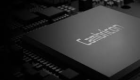
- Analysis of Huawei Ascend, Biren, and Cambricon MLU
- Differences between CUDA and CANN, Biren SDK, and BANGPy frameworks
- Market trends and vendor ecosystems
Migration Preparation
- Reviewing your existing CUDA codebase
- Selecting target platforms and appropriate SDK versions
- Installing toolchains and configuring development environments
Code Conversion Strategies
- Translating CUDA memory access patterns and kernel logic
- Mapping compute grid and thread models
- Evaluating automated versus manual conversion methods
Platform-Specific Implementation
- Leveraging Huawei CANN operators and custom kernels
- Utilizing the Biren SDK conversion pipeline
- Reconstructing models using BANGPy (Cambricon)
Cross-Platform Verification and Tuning
- Profiling execution on each target platform
- Optimizing memory usage and comparing parallel execution
- Monitoring performance and iterative improvements
Administering Hybrid GPU Environments
- Managing hybrid deployments across multiple architectures
- Implementing fallback strategies and device detection
- Creating abstraction layers for long-term code maintainability
Case Studies and Recommended Practices
- Migrating vision and NLP models to Ascend or Cambricon
- Adapting inference pipelines for Biren clusters
- Resolving version discrepancies and API limitations
Conclusion and Future Pathways
Requirements
- Programming experience with CUDA or GPU-based applications
- Knowledge of GPU memory models and compute kernels
- Familiarity with AI model deployment or acceleration workflows
Target Audience
- GPU developers
- System architects
- Migration specialists